

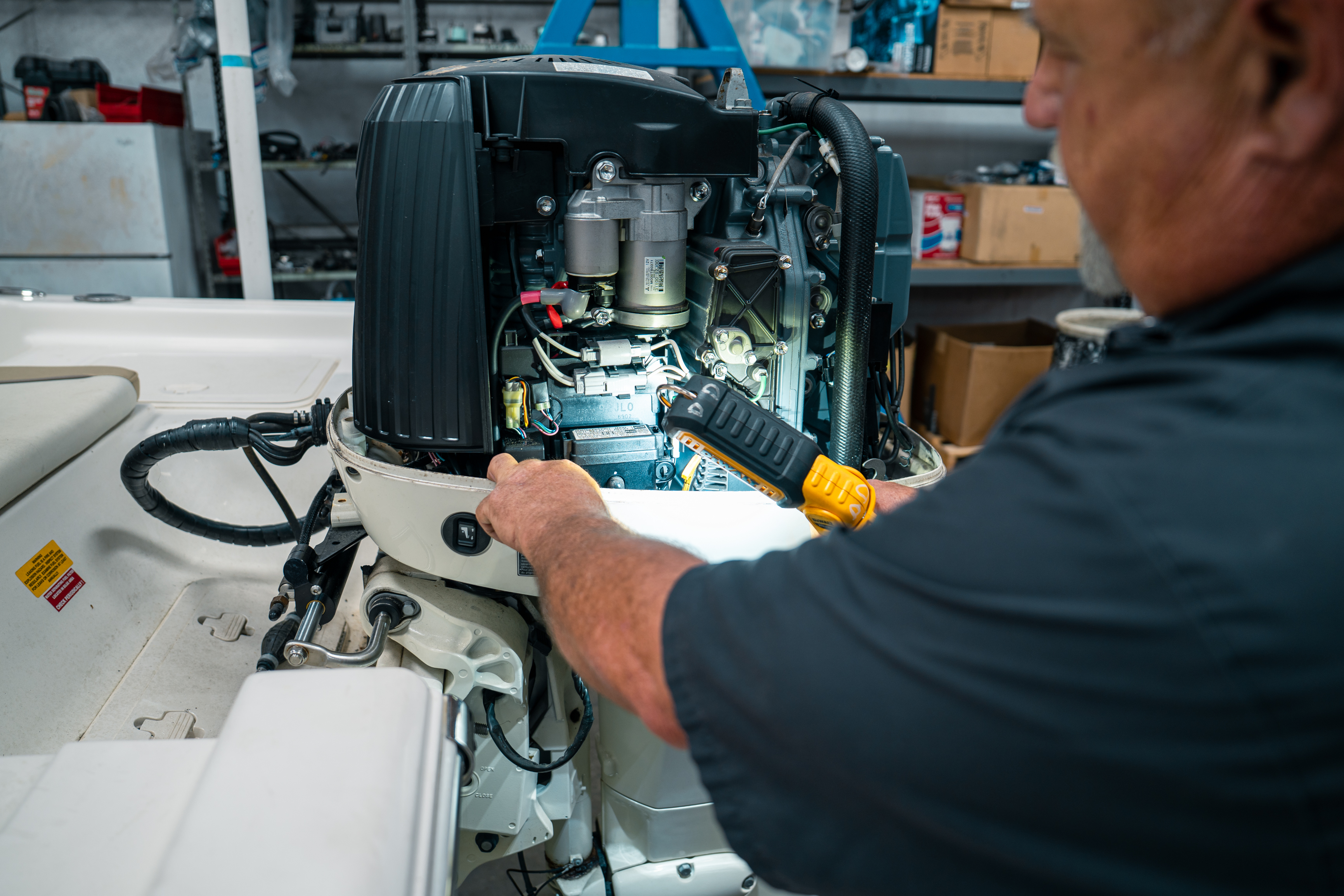
 As summer draws to a close and time spent on the water becomes less frequent, now is the best time to prepare your outboard for the fall and winter months. While the Gulf Coast rarely gets cold enough for true outboard winterization and storage needs, forgoing proper preparation for the cooler months on the water could lead to expensive repairs or sputtered startup issues next boating season.
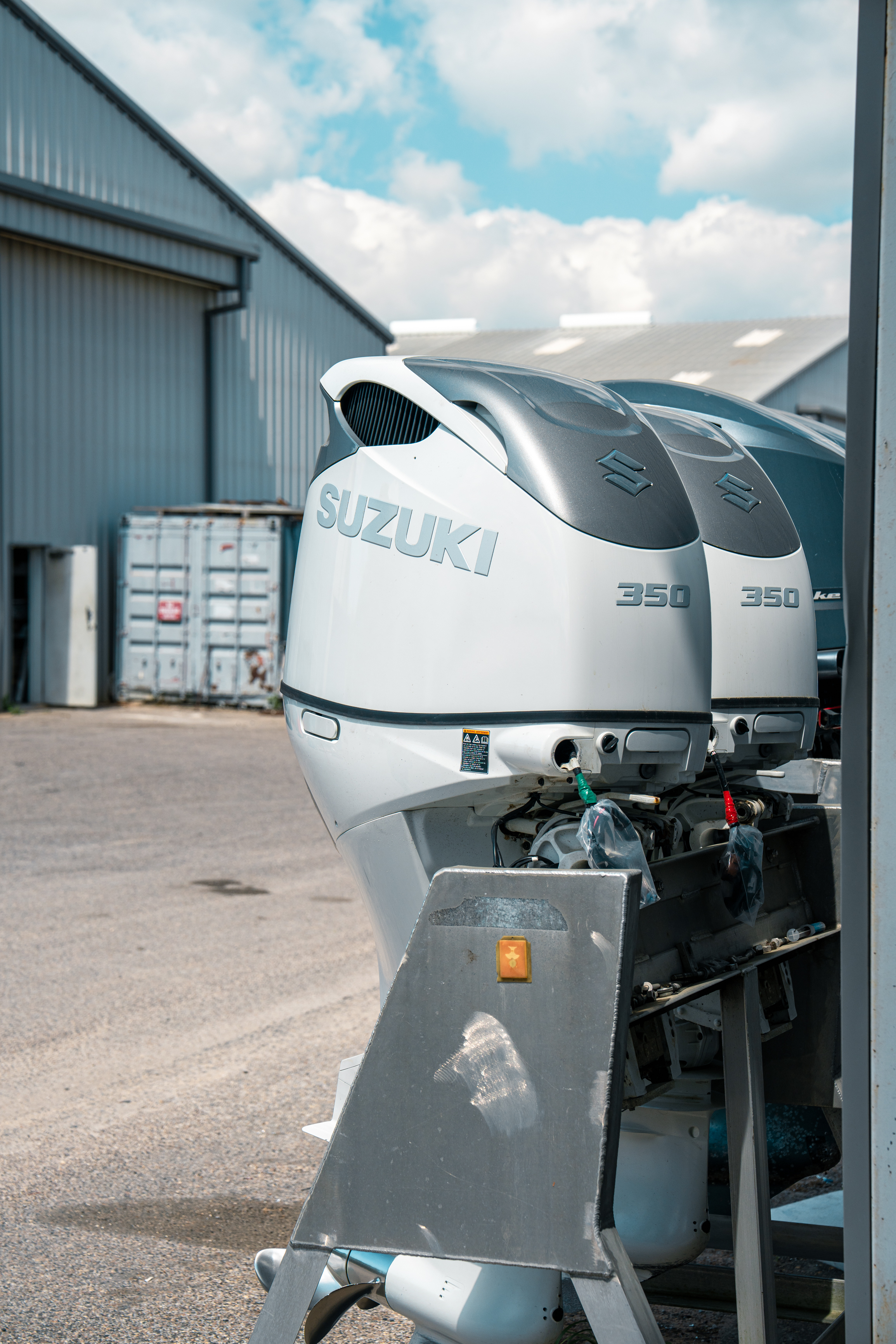 Because the Gulf Coast stays warm enough for boaters to continue being out on the water for fishing and recreation deep into the fall and even winter months, it can be easy to overlook the importance of keeping your outboard ready to run as temperatures drop.
Just a few steps taken to prepare your Suzuki, Mercury, Honda or Yamaha outboard before and after getting out on the water this fall and winter, even if less frequently, can save you time, money and frustration by preventing common offseason problems. Cooler temperatures, stale fuel and moisture can cause issues while your boat is in storage for longer periods of time. Making a small investment in time and resources to prepare now is key to protecting your more substantial outboard investment.
The steps below include how to prepare 4-stroke outboards, including EFI models, for end-of-season on the Gulf Coast.
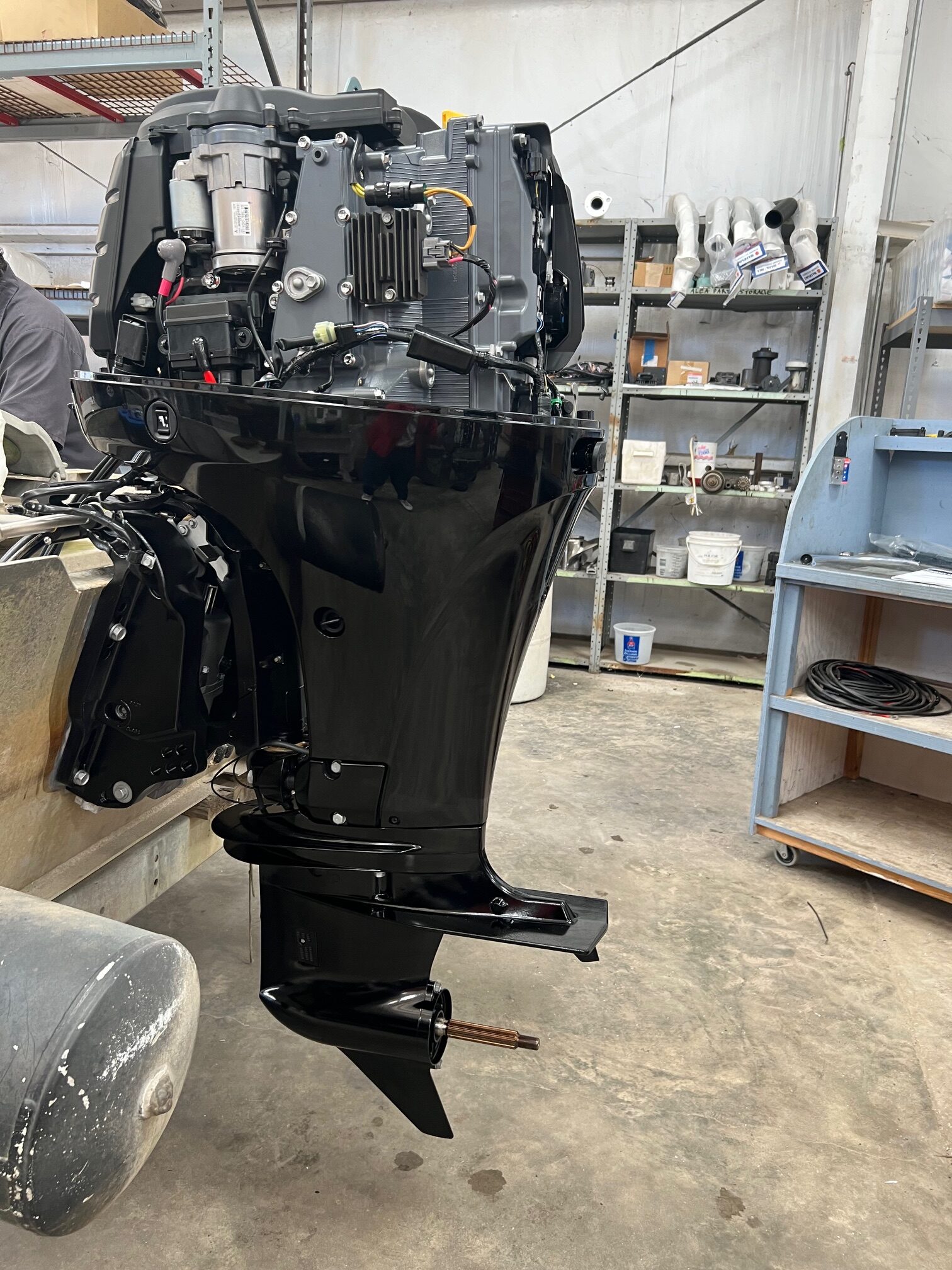 Our end of season service package lets you enjoy peace of mind that your boat will be in excellent condition during the fall and winter months, even if you continue to occasionally get out on the water. Our experienced professionals know the importance of proper storage preparation and will make sure your boat is protected and ready to launch whenever you plan to be on the water. Schedule your end of season boat service and ensure your investment is well-cared for during the off season.